AI agents for companies

Agents that do a job, not a demo. An AI agent gets a goal, uses tools and takes several steps on its own: it reads an email, looks up the customer, drafts a reply and files the case. I build agents that do one well-defined job in your business, and that you can see, measure and steer.

Book an intro call

What an agent does that a chatbot does not

A chatbot answers questions. An agent does work. It fetches data from your systems, makes simple decisions by your rules and hands over to a person when something is unclear.

That makes agents useful for tasks where someone copies information between systems today, but also riskier. So most of the work is about limits: what the agent may read, what it may change and what needs approval.

Agents I build

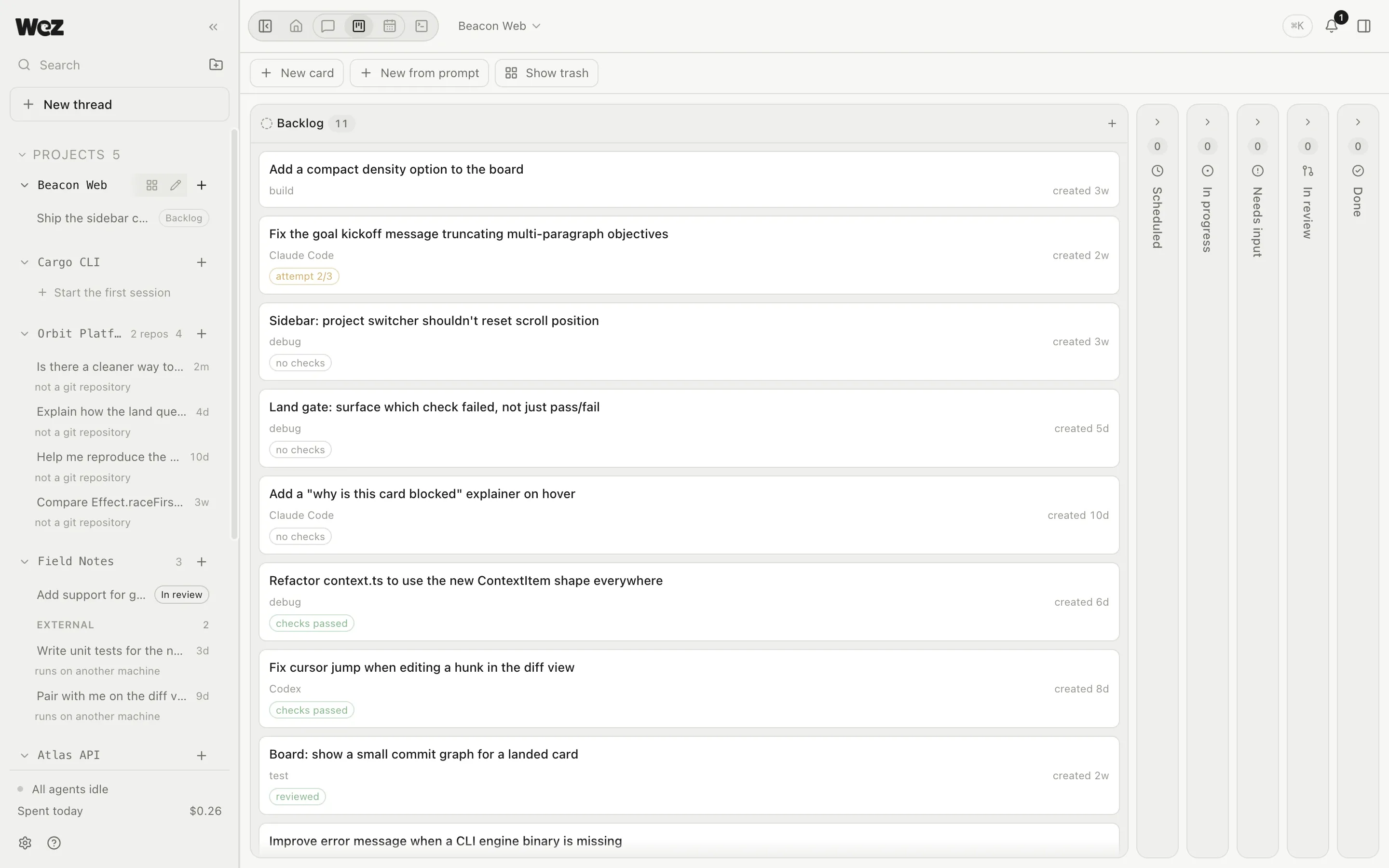
I use a crew of AI agents every day myself, in a harness I built where every request, tool call and cost is visible while it happens. You get the same visibility in what I build for you.

  • Case agents that read incoming email and forms, find the right customer and order, and draft or send a reply.
  • Document agents that summarise, compare and check contracts, quotes and reports against your rules.
  • Sales support that prepares quotes and follow-ups from CRM data, so the seller only reviews and sends.
  • Internal assistants that answer questions from your procedures and documents, with a source on every answer.
  • Agents that work in the tools you already have through APIs and MCP, instead of in yet another interface.

Control, cost and security

Every agent logs what it read, which tools it used and what it decided. You see the cost per case and how often the agent gets it right, measured against real examples from your business.

The agent gets only the permissions the task needs. Steps that move money, change contracts or reach customers can go through human approval. Data that must stay in the EU is processed there, or by a model running on your own server.

Models and technology

I pick the model for the task: a large model from Anthropic or OpenAI when judgement matters, a smaller and cheaper one when the task is simple, and open models on your own server when data cannot leave the building. The agent is built so the model can be swapped without redoing the rest.

The agents are written in TypeScript and run in your environment or on a server I operate, with the same monitoring as the rest of your systems.

How it runs

  1. We pick one task with a clear start and end, and collect about fifty real examples to measure against.
  2. I build the agent with the tools and permissions the task needs, and nothing more.
  3. The agent runs in shadow mode next to the team until it gets it right often enough.
  4. It takes over step by step, with logs, cost tracking and approvals where they are needed.

A good fit when

  • The same kind of case comes in many times a week and is handled roughly the same way.
  • Someone on the team moves information between systems by hand.
  • You have tried a chatbot but need something that actually does the work.
  • You want to use AI but must be able to show what it did and why.

A typical first engagement

A typical first engagement is an agent for a single kind of case, such as questions about deliveries or invoices. It can usually run in shadow mode within a couple of weeks, and go live once the numbers hold.

Read more about how I work as an AI consultant in Gothenburg.

Examples

Wez: my own agent harness

Wez

My own agent harness, where a crew of AI agents works in my projects. Every request, tool call, file change, cost and approval is visible while it happens. It is how I build, and you get the same visibility in what I build for you.

1,300+
commits
6
agents in the crew
3
clients: desktop, mobile and CLI
OpenAudit: one scored audit of everything you ship

OpenAudit

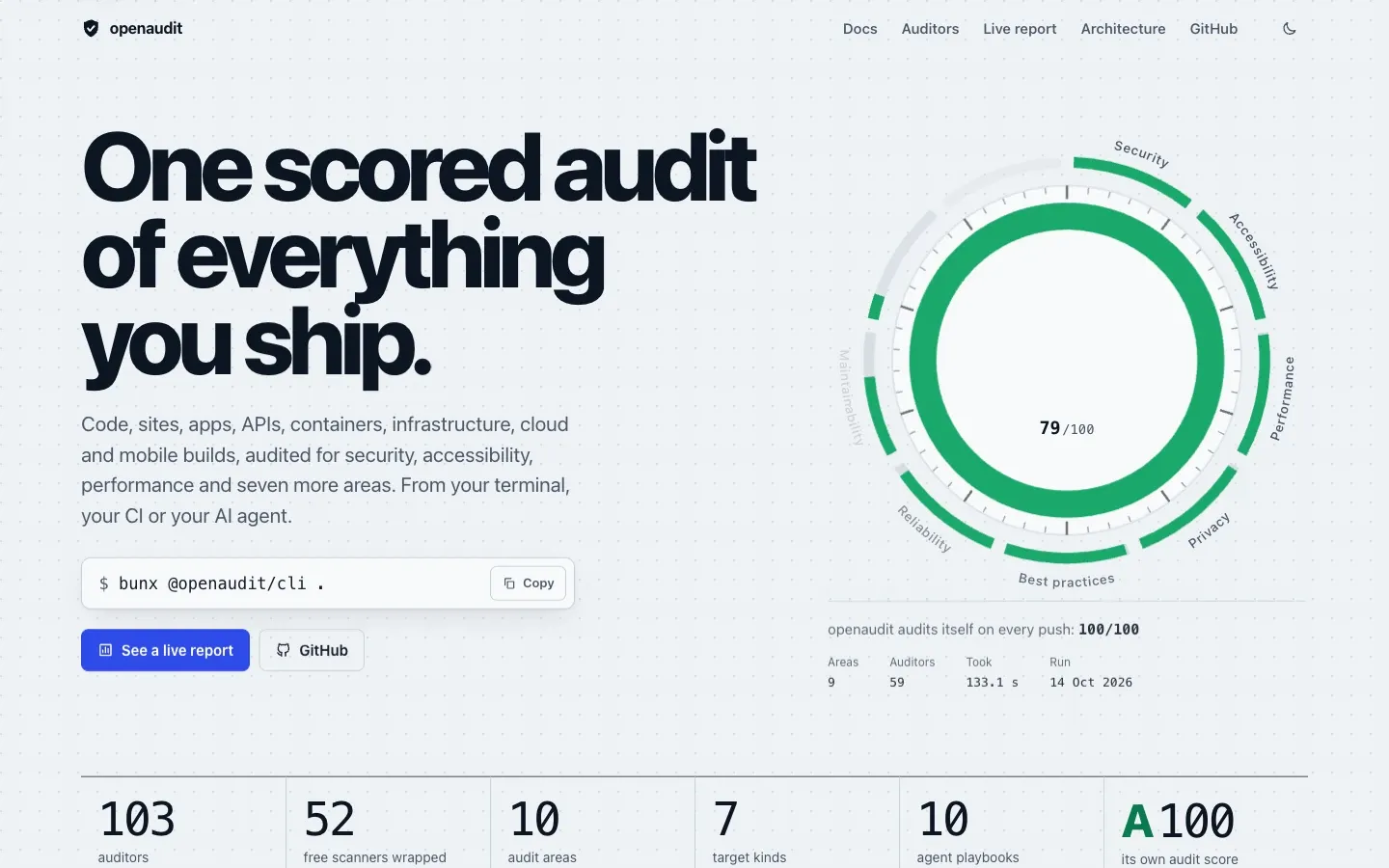
One scored audit of everything you ship: code, sites, apps, APIs, containers, infrastructure, cloud and mobile builds. It runs from the terminal, in CI or from an AI agent over MCP.

103
auditors
10
audit areas
A 100
its own score on every push

Questions

What is the difference between an AI agent and a chatbot?

A chatbot answers questions in a conversation. An agent has a goal and tools: it can look up data, update a system and take several steps on its own, within the limits you set.

Is it safe to let an agent work in our systems?

Yes, when the agent has only the permissions the task needs, everything is logged and risky steps need approval. That is how I build, and everything can be reviewed afterwards.

What does it cost to run an AI agent?

It depends on the model and the volume. I measure the cost per case already in shadow mode, so you know what the agent costs to run before it takes over, and I use a smaller model where it is enough.

Can the agent use our existing systems?

Yes. Agents work through APIs and MCP with CRMs, business systems, inboxes and document archives. Where there is no API, I build an integration first.

Let’s find your hours.

Book an intro callcontact@antonwester.se

Taking on new work

Or write a few lines